Karen Presented Her Work on Desirable Urban Aesthetics and Exclusion at RC21 in Vienna
21 July 2026
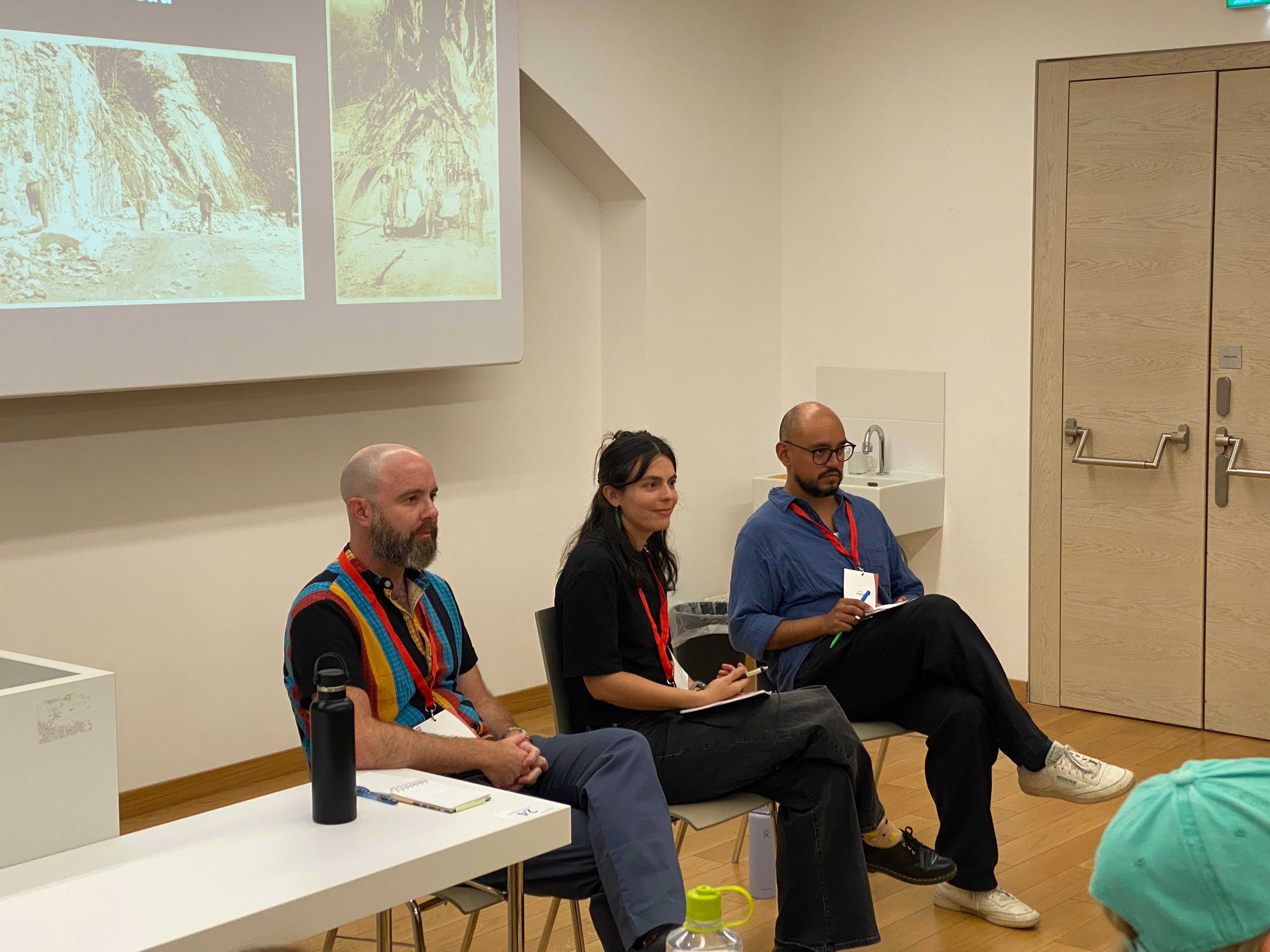
This July, Karen shared her ongoing work on how urban aesthetics can make exclusionary landscapes desirable at the RC21 Conference in Vienna. Presented in a session on whiteness, her paper explored how the look and organization of urban spaces can carry social meanings and values, making some ways of living appear more desirable than others. Focusing on a historically affluent neighborhood in Mexico that has become a popular leisure destination, she examined how these meanings become visible through urban aesthetics and how they may help explain why places marked by inequality and exclusion can still be attractive. The paper argues that urban aesthetics are not only about how places look or feel. They can also reflect ideas about which lifestyles, behaviors, and ways of using the city are valued more highly. By looking at both physical places and their digital representations, the study explores how values associated with whiteness can become visible in urban spaces, not only through people’s racial appearance. It also examines how these values can shape attraction and desire, even when people are aware of the inequalities and exclusions connected to those places. Karen will continue investigating this topic during her upcoming research stay at the School of Geography and the Environment at the University of Oxford, where she will work with Prof. Gillian Rose and Prof. Tim Schwanen.