Ate Poorthuis

Professor

Ate is Assistant Professor in the Department of Earth and Environmental Sciences. His work uses spatial analysis, big data, and visualization to analyze the intersection of human mobility and spatial inequality in urban systems.

mobility public transport spatial inequality visualization urban geography

Ate and Anirudh Participate in the DEBIAS Workshop & Symposium

13 July 2026
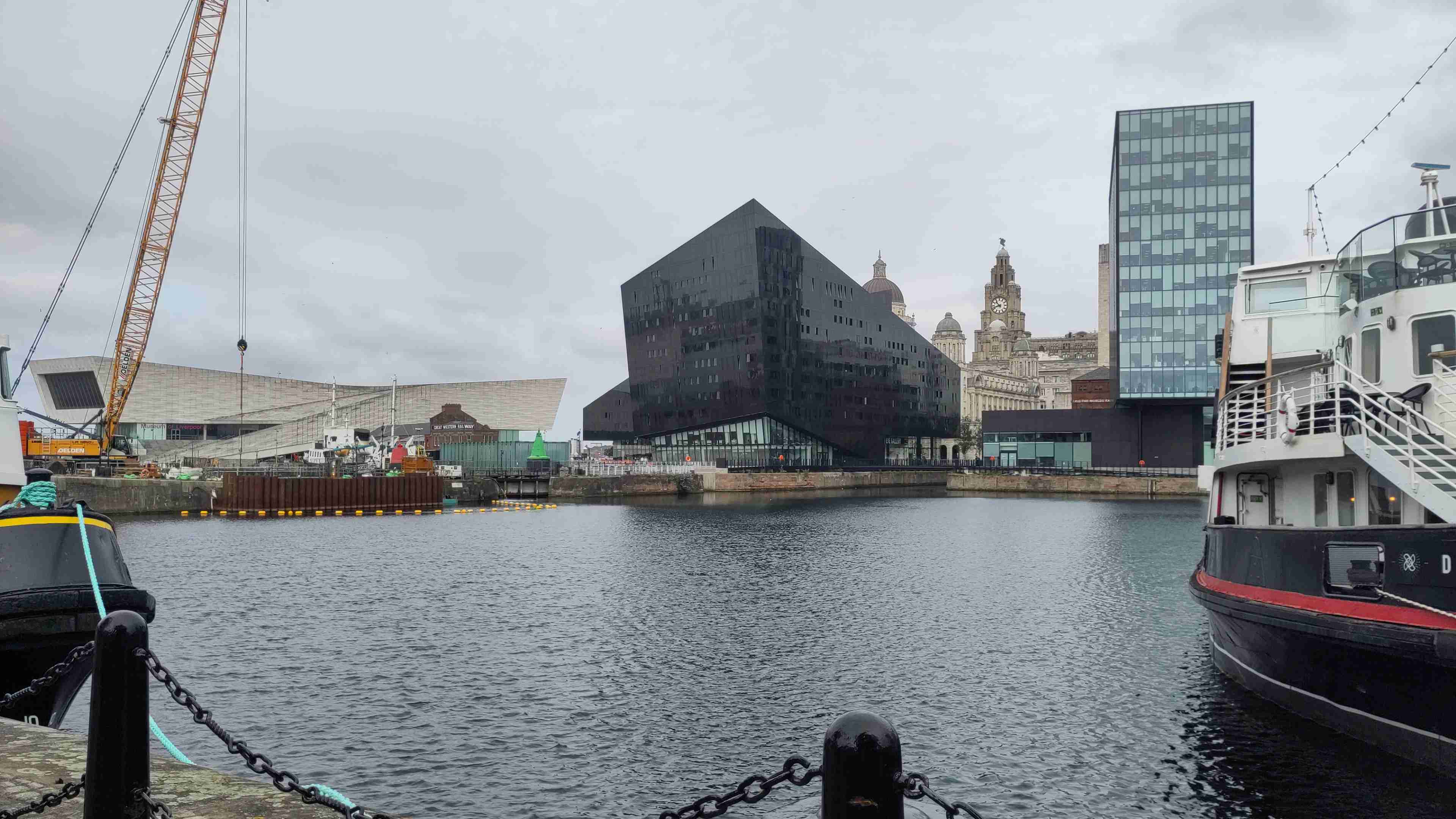
Ate and Anirudh participate in the DEBIAS Workshop & Symposium image

The DEBIAS Workshop & Symposium was held on 7th and 8th July in Liverpool, England. Organized by Prof. Francisco Rowe and Dr. Carmen Cabrera of the University of Liverpool, the workshop aimed to set standards for adjusting bias in digital mobility data. Over two days, Ate and Anirudh participated in a series of discussions, lighting talks, and technical workshops aimed at understanding the current state of the art in bias assessment and adjustment. Anirudh gave a lightning talk titled “How and why we make big data small shapes biases” that drew on his current research.


Anirudh will continue his research in this vein through his participation in the newly announced DEBIAS Fellow Network.


The SAMBAL Team Represent at Mobile Tartu Conference 2026

8 June 2026
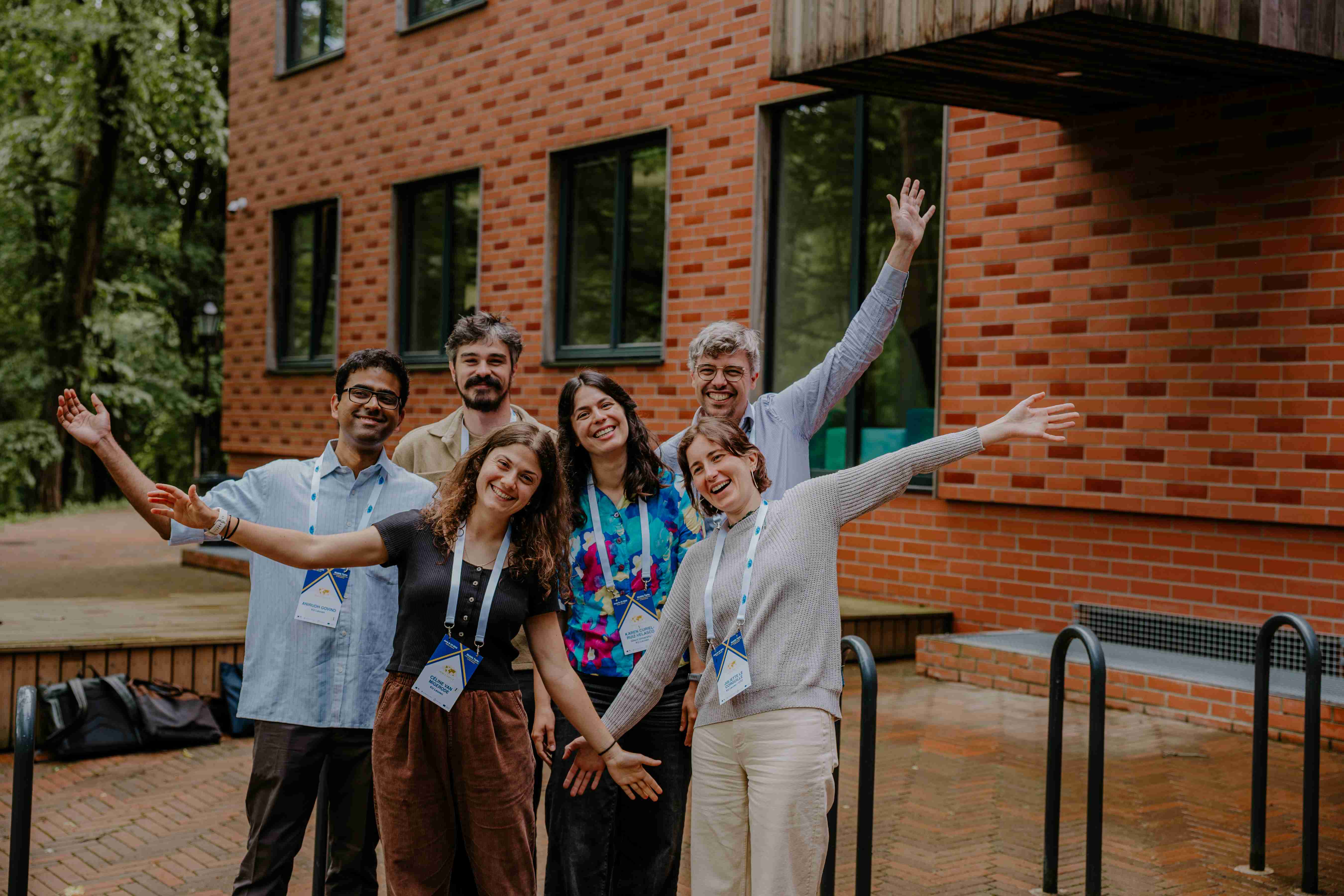
The SAMBAL team represent at Mobile Tartu Conference 2026 image
Our SAMBAL team was well represented at the Mobile Tartu Conference this year. Karen, Juliette, Benoît and Céline began the week by participating in the PhD School, which offered a great mix of academic workshops and fun social activities. One of the main highlights was definitely the sauna boat and the refreshing dive into the lake afterward. Later, Anirudh and Ate joined for the main conference, where we had the opportunity to reconnect with many familiar faces (among whom was former SAMBAL-member Olena!), but also to meet new people. Through both poster and oral presentations, we showcased our ongoing work across a wide range of mobility-related topics and put the SAMBAL team on the map within the international mobility research community. The following talks were presented by our team members: Juliette had a poster on Including Mobility Needs in Transport Modeling Karen presented her work on Crossing the Boundary? Sociospatial Segregation and Leisure Mobility in Guadalajara, Mexico...Read more

Three New Publications by Céline

1 June 2026
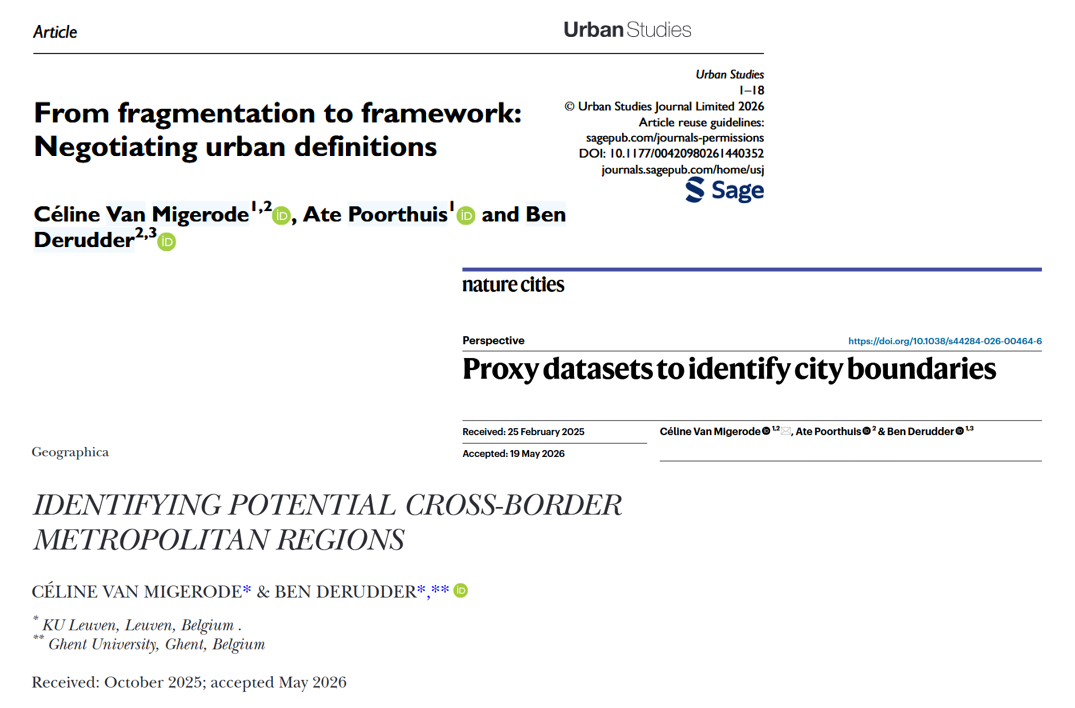
Three new publications by Céline image
It has been a couple of productive months for Céline, with three new publications out. The article From fragmentation to framework: Negotiating urban definitions in Urban Studies, co-authored with Ate Poorthuis and Ben Derudder, examines the decision-making process behind the creation of urban definitions. The same authors published a perspective article in Nature Cities entitled Proxy datasets to identify city boundaries to help guide fellow research through their choice of city definition. Finally, Céline and Ben contributed to the new Geographica section of TESG with Identifying Potential Cross-Border Metropolitan Regions, showcasing the potential of visual storytelling as a tool for communicating methodological approaches....Read more

The SAMBAL Team at the BeNeLux Geography Conference 2026

10 April 2026
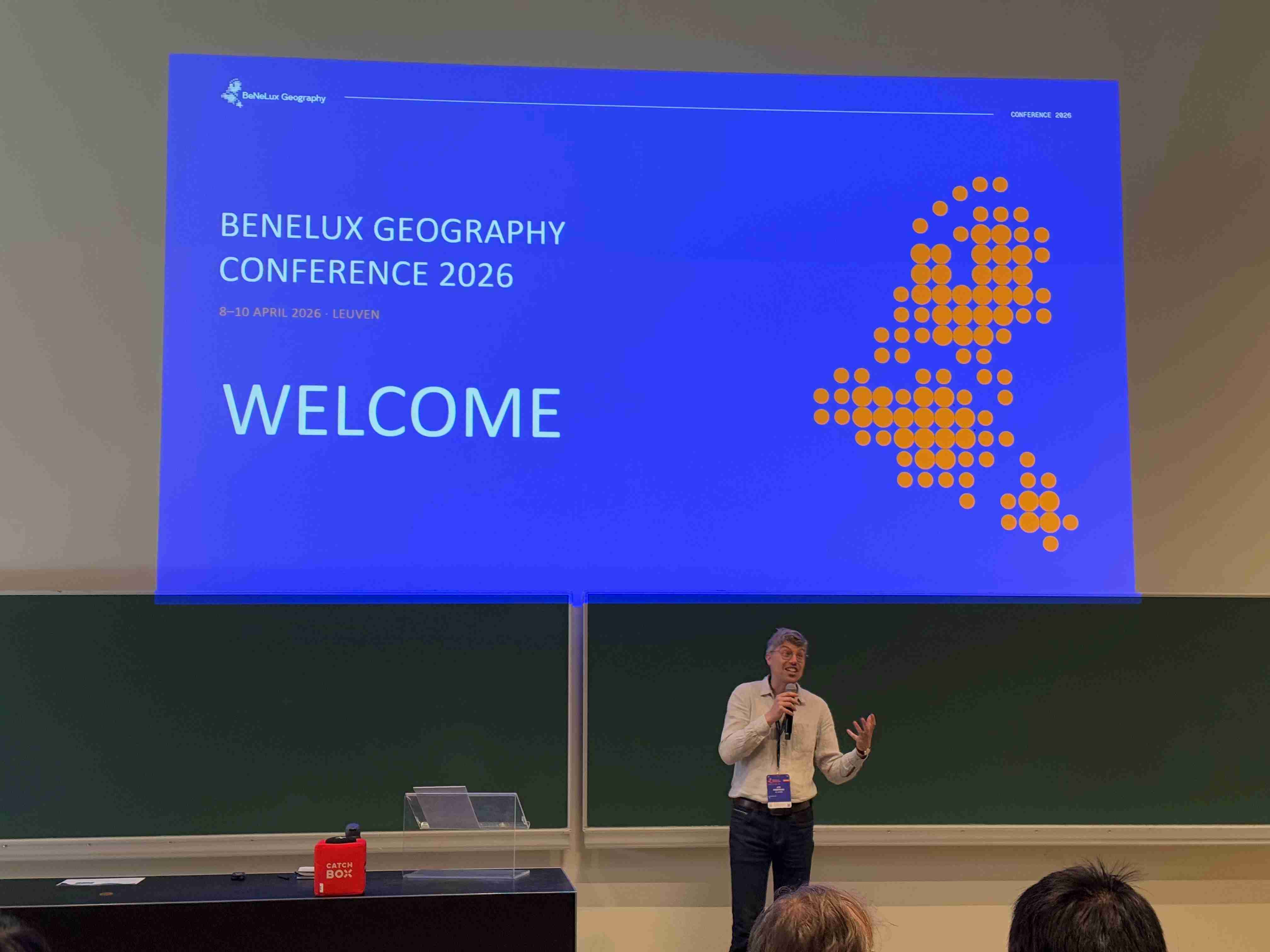
The SAMBAL team at the BeNeLux Geography Conference 2026 image
The inaugural BeNeLux Geography conference was held in Leuven between 8 to 10 April 2026. The conference brought together geographers and spatial planners from across the BeNeLux region (and beyond!). A variety of sessions and workshops were bookended by three keynote talks by Erik Swyngedouw, Meredith Glaser, and Bart Crezee. The SAMBAL team was involved throughout, contributing to the organization of the conference, facilitating sessions, and presenting their research. Ate and Céline were on the conference’s organizing committee and played a big role in ensuring everything went smoothly! Ate also presented the Game of Gentrification developed by the SAMBAL team in a session on Gamifying Geography. Benoît presented research on ‘Mapping places that matter: A mixed-methods approach to Leuven’s meaningful hangouts’ in the session “Feeling place/ Placing Feelings”. Juliette presented her work on “Accounting for human behavior into the 15-Minute city concept” in a session examining the mul...Read more

The Game of Gentrification at the Science Day

24 November 2025

The Game of Gentrification at the Science Day image

Our team has been thinking for a while about different ways to communicate about geography and geographic research to a wider audience. To turn thinking into action, we built a digital game designed to explain the process of gentrification to both adults and children. We debuted the game at the Belgian Dag van de Wetenschap (Science Day), where visitors of different ages and backgrounds tested the game and learned more about the processes that shape neighborhood change. In the Game of Gentrification, players step into the shoes of different actors in a changing neighborhood. They explore what gentrification is, which actions can speed up or slow down the neighborhood’s potential to gentrify, and what the consequences might be.