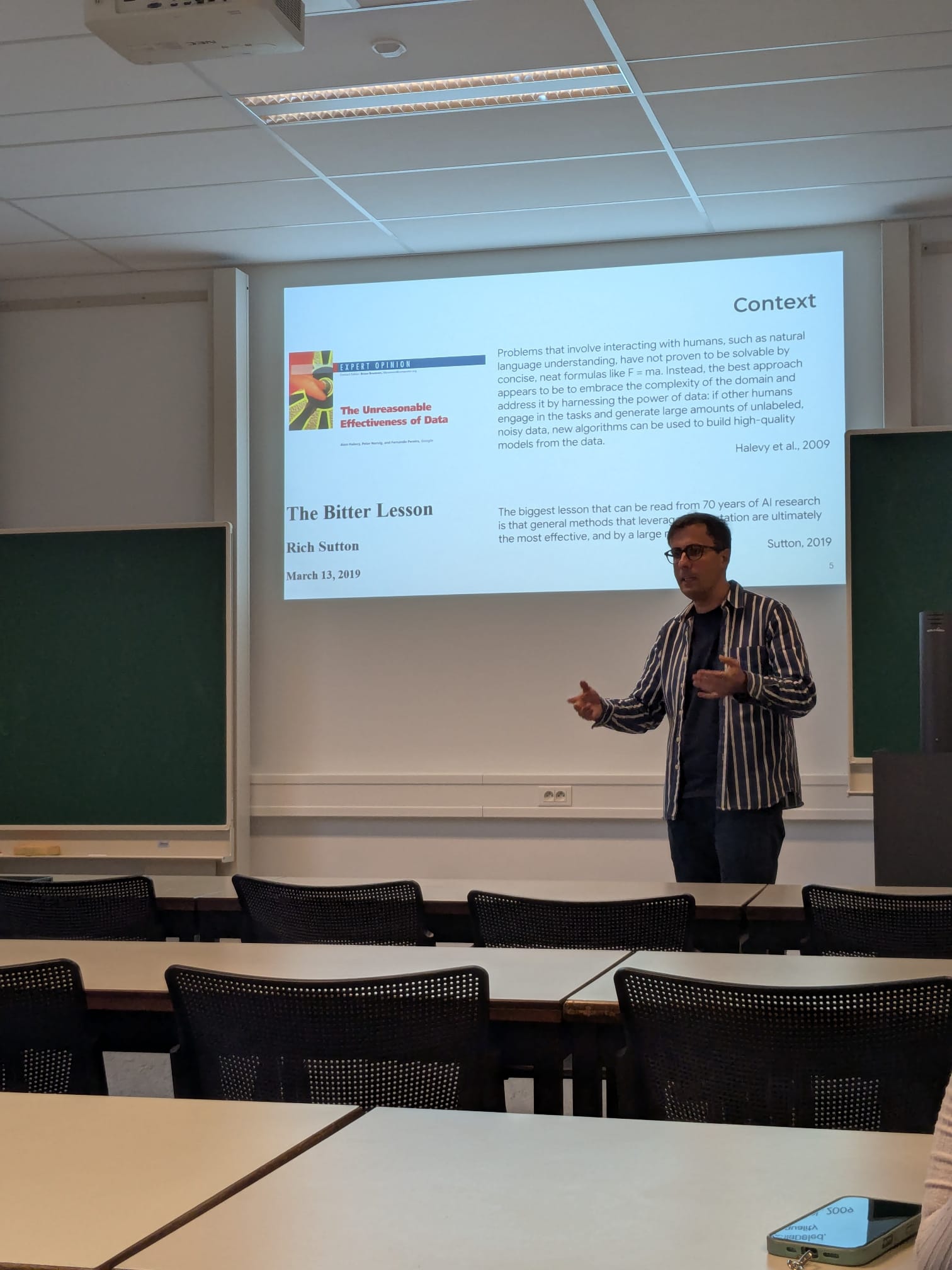
Oleksandr Karasov
Postdoctoral Researcher

Oleksandr Karasov is a visiting researcher. He is a postdoctoral researcher at the GIST Lab, Aalto University, Finland; he received a PhD in Environmental Protection from the Estonian University of Life Sciences.
His work focuses on making human behaviour, values, and preferences measurable and mappable by combining social media, remote sensing, and participatory mapping data analytics. Currently, Oleksandr is running his project “UkrAInability: Revealing Changes in People-Nature Relationships and Landscape Sustainability in Ukraine Caused by Russia’s Invasion”, which examines the effects of Russia’s invasion on the supply, use, and demand for cultural ecosystem services, such as recreational, aesthetic, and spiritual nature’s contributions that enhance people’s quality of life. By tracking landscape changes since 2015, the project will reveal the impacts of war on people’s well-being and inform post-war recovery priorities.
Oleksandr was a visiting researcher at SAMBAL between March and April 2026, and in September 2026.
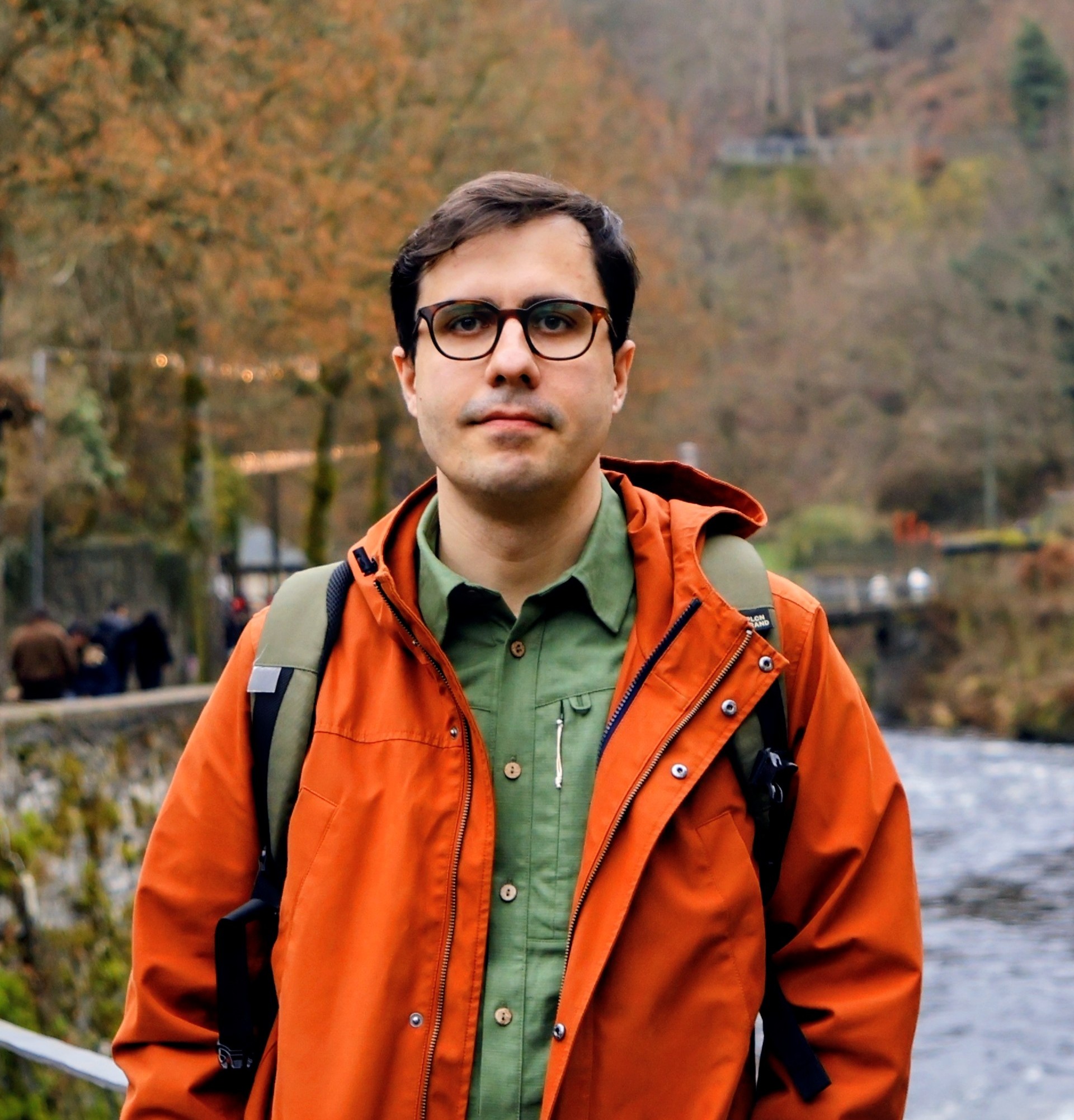
Oleksandr Gave a Talk About His Ukrainability Project
22 September 2026